


.avif)
Your golden years are meant to be brighter
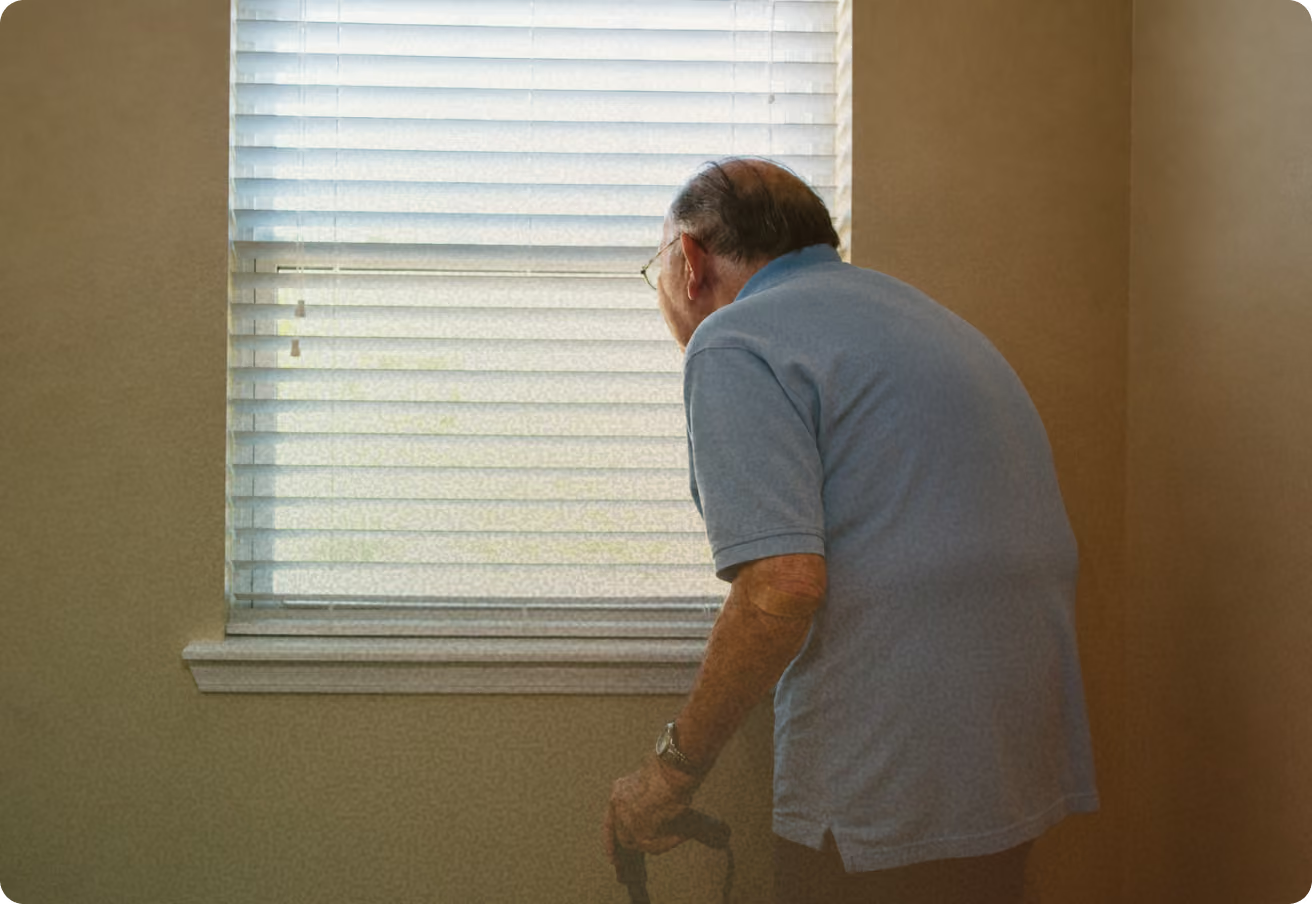
Depression in older adults might not always look like sadness. It can show up as low energy, sleep changes, aches and pains, memory changes, irritability, or pulling away from people and routines. The good news is that depression is a treatable medical condition, and getting support is easier than you might think.

What depression can look like later in life
Aging can bring many big changes, from identity shifts in retirement to possible changes in independence. With health concerns, grief, pain, loneliness, and stress, it’s no wonder that many seniors struggle with depression. While experiences can be heavy, ongoing depression is not the same as having a hard season.
Depression can affect how someone feels, thinks, sleeps, eats, moves, and connects with others. In older adults, it may also look like memory trouble, physical complaints, or loss of interest in daily life. That is one reason depression can be missed or mistaken for normal aging, illness, or dementia. These misconceptions make it even more important to get a full checkup to make sure you’re getting the right kind of care.
Signs of depression to look for
In older adults, depression can show up in feelings, body aches, and changes in daily habits. Look for signs that last more than two weeks, get worse over time, or affect safety, daily routines, or relationships.
Depression can also show up with physical, emotional, and behavioral symptoms.

Physical Signs
Low energy, slower movement or speech, sleep problems, appetite or weight changes, unexplained aches or stomach issues, and less interest in self-care can be physical signs of depression.

Emotional Signs
Emotional signs of depression can include trouble concentrating or making decisions, ongoing sadness, irritability, or feeling hopeless, guilt, or emotional numbness and loss of joy.
Behavioral Signs
Depression may show up as withdrawing from loved ones, hobbies, or routines, neglecting personal hygiene, responsibilities, or social interactions.

If you are experiencing an emergency, please dial 911, call 988 for mental health crises, or go to your nearest emergency room.


Depression can make life feel smaller and simple things feel harder. It can also leave people wondering if changes are just part of aging, grief, or if it's time to get mental health help.

Therapy, medication, or both can really help older adults, especially when the treatment fits their health, home life, and their goals.

Does insurance cover help with depression?
Our services support adults whose daily lives are impacted by medical conditions or major life changes. Most people we serve have little to no out-of-pocket costs for our mental health care, caregiver support, and additional care team services. We always check your coverage before your first appointment, so you know what to expect and there are no surprises.


.svg)
.svg)
.svg)
.svg)

.svg)

.svg)
.svg)
.svg)

.svg)


.svg)

.png)
"Depression thrives on isolation and negative thought loops. Through Cognitive Behavioral Therapy (CBT) and Behavioral Activation, we help clients reframe harmful thinking and safely re-engage with the activities, people, and experiences that bring genuine joy back to life."
Other resources
Want more information? Check out our related resources.


How to start the conversation: Talking to a parent or loved one about mental health or memory changes
If you’ve noticed changes in a loved one like irritability, confusion, or just acting out of character, it can be hard to know what to do or how to help. Here are some ways you can get the conversation started with someone you care for.


We're here to help
With the right care, you can feel better and enjoy the next chapter of your life. Give us a call, and our team will listen to how you've been feeling lately, talk through support options, check your coverage, and set you up with care that supports better brain health and happier days.