


August 14, 2026
Virtual vs. in-person care: What’s best for older adults’ mental health?
Finding the right fit for anxiety, depression, grief, and more should be as simple as possible. Read about situations in which virtual care or in-person services would be most helpful.

Table of content

Key Takeaways
- What is virtual mental health care?
- Concerns and conditions virtual care can help
- When in-person treatment is best
Finding the care that feels right
For many older adults or people going through big life changes or living with health conditions, leaving home for care can be a challenge. Some may have trouble with driving, mobility, or finding reliable transportation to get to a community clinic. Others may feel hesitant about starting therapy or other services in person.
No matter your age or your story, getting mental health care should not be hard. That is where virtual care can help.
Virtual adult and senior mental health care lets people meet with a care team from home or in whichever environment or private space that makes them feel most comfortable. It can support people living with anxiety, depression, grief, substance use disorder, mood changes, memory concerns, and more.
But virtual care is not always the right fit for every need.
When symptoms are sudden or seriously impacting health or safety, in-person care could be a better place to start.
A simple rule can help:
- Use virtual care when the concern is stable and can be talked through.
- Use in-person care when there is a safety risk, a medical concern, or a need for a physical exam.
Both types of care can matter. The goal is to find the right care at the right time.
What is virtual senior mental health care?
Virtual senior mental health care means you meet with a provider by video or phone. Virtual services, such as what Author Health provides, can include in-person tech support too.
Your virtual sessions will be personalized for your needs. During your appointment, you may talk with a therapist, a psychiatric clinician, a care coordinator, or another member of your care team.
If you’d like, caregivers or family members can also join your virtual appointments or receive separate virtual support so they can continue to care for you as best they can.
Virtual care can be used for:
- Noticing changes in memory
- Addressing changes in mood
- If you’re having a hard time sleeping
- Feeling more nervous
- Going through grief and loss
- Substance use support
- Preventing caregiver burnout
- Help with daily routines and coping skills
For many families, virtual care can make supporting life changes and health conditions feel more possible.
Situations virtual care can support
Virtual care often works well when you’re safe, stable, and able to participate in the conversation. It can be a good fit when talking, planning, checking symptoms, or following up on your treatment plan.
Virtual care is a good option when:
- The person is safe
- Symptoms are stable
- The visit is mostly conversation-based
- The need is therapy, coping skills, diagnosis evaluation, medication-related, or follow-up care
Concerns virtual care can help
Whether you’re not sleeping much or find yourself tired all the time, experiencing mood changes, or noticing more memory slips lately, virtual care can be a good option to help you figure out what’s going on and get the proper care.
Feeling Anxious
If you’ve been worrying more often, avoiding leaving home, having trouble sleeping, or feeling restless, virtual care can help by teaching calming tools, building routines, and helping the person feel less alone.
Feeling Down
Depression in older adults may not always look like sadness. It may look like low energy, anger/irritability, poor sleep, less interest in hobbies, or pulling away from family and friends. Virtual senior mental health care can help older adults talk about how they feel from a place that feels comfortable.
Going Through Grief
Grief can feel heavy at any age. However, later in life, grief seems to pile up with consecutive loss of loved ones, experiencing changes in personal health or independence, or struggling to adjust to roles changing after retirement, empty nesting, etc.
Virtual grief support can give older adults a place to talk, remember, and heal without needing to travel outside of your home. It can also help you or a caregiver understand what grief is and when more support may be needed.
Struggling With Substance Use Disorder
Older adults can be uniquely vulnerable to the effects of Substance Use Disorder. Misusing alcohol, cannabis, or prescription drugs (e.g. pain relievers, sleep aids, and anti-anxiety meds) can severely impair memory, mood, and balance. This can not only compromise daily safety and lead to frequent injuries, but it can also trigger or heavily aggravate underlying physical and mental health issues.
Virtual care may help when the person is stable and open to talking. A care team will nonjudgementally help review patterns, offer therapy, talk through new coping strategies, and help connect the person with more intensive support if needed.
In-person or urgent care may be needed if there is overdose risk, unsafe mixing of alcohol and medicine, repeated falls, blackouts, or sudden confusion.
Brain Changes
Virtual cognitive care can help when memory changes are mild, and the person can participate and benefit from the visit. Virtual care can help you make sense of the changes you’re experiencing, reduce stress, and help improve your overall health. Caregivers and family members can also join visits to share what they see at home. This can help the care team understand changes in memory, mood, sleep, safety, and daily life.
Virtual care may also help initiate the diagnostic process, provide support for family and caregivers, and address behavior changes, caregiver stress, and next steps.
When in-person care may be better
In-person care is often better when changes in health are sudden, worsening, or when emergency care is needed.
In-person care is best when there is:
- Has a possible overdose
- Has severe agitation or aggression
- Is seeing or hearing things others do not
- Cannot eat, drink, walk, or take needed medicine
- Sudden confusion
- New falls
- A major change in behavior
- Trouble walking
- Severe depression
- Talk or thought of suicide or self-harm
- May hurt themselves or someone else
- Hallucinations
- Unsafe substance use
- Severe memory loss
- A possible infection
- Dehydration
- Infection
- Medicine side effects
- Pain that is new or not improving
A sudden change should not be brushed off as “just aging,” as it may be caused by something that needs medical care. For suicide or mental health crisis support, call or text 988.
Hybrid care
In-person nonurgent visits may be used when a physical exam or additional screening is needed.
Virtual visits may be used for follow-ups, therapy, medication checks, caregiver support sessions, and support between appointments.
Using both can make it easier to keep up with care without needing to travel for every visit.
Author Health provides virtual senior mental health care for older adults and caregiver support. We help with anxiety, depression, grief, substance use concerns, mood changes, memory concerns, and care planning.
If you or someone you love needs virtual support, we are here to listen and talk over your options to help you find your next right step.
Related articles
Explore more insights, guidance, and stories from the Author Health team.

Sundowning Syndrome: What is it and how caregivers can help
Sundowning is a pattern of increased confusion, agitation, and behavioral changes that happen in the late afternoon and evening hours. It is common in people living with Alzheimer's disease and other forms of dementia. If symptoms or stress worsen, reach out to a doctor or virtual provider like Author Health for support.

How to talk to your loved one about getting their symptoms evaluated
If you’ve noticed changes in a loved one like irritability, confusion, or just acting out of character, it can be hard to know what to do or how to help. Here are some ways you can get the conversation started with someone you care for.
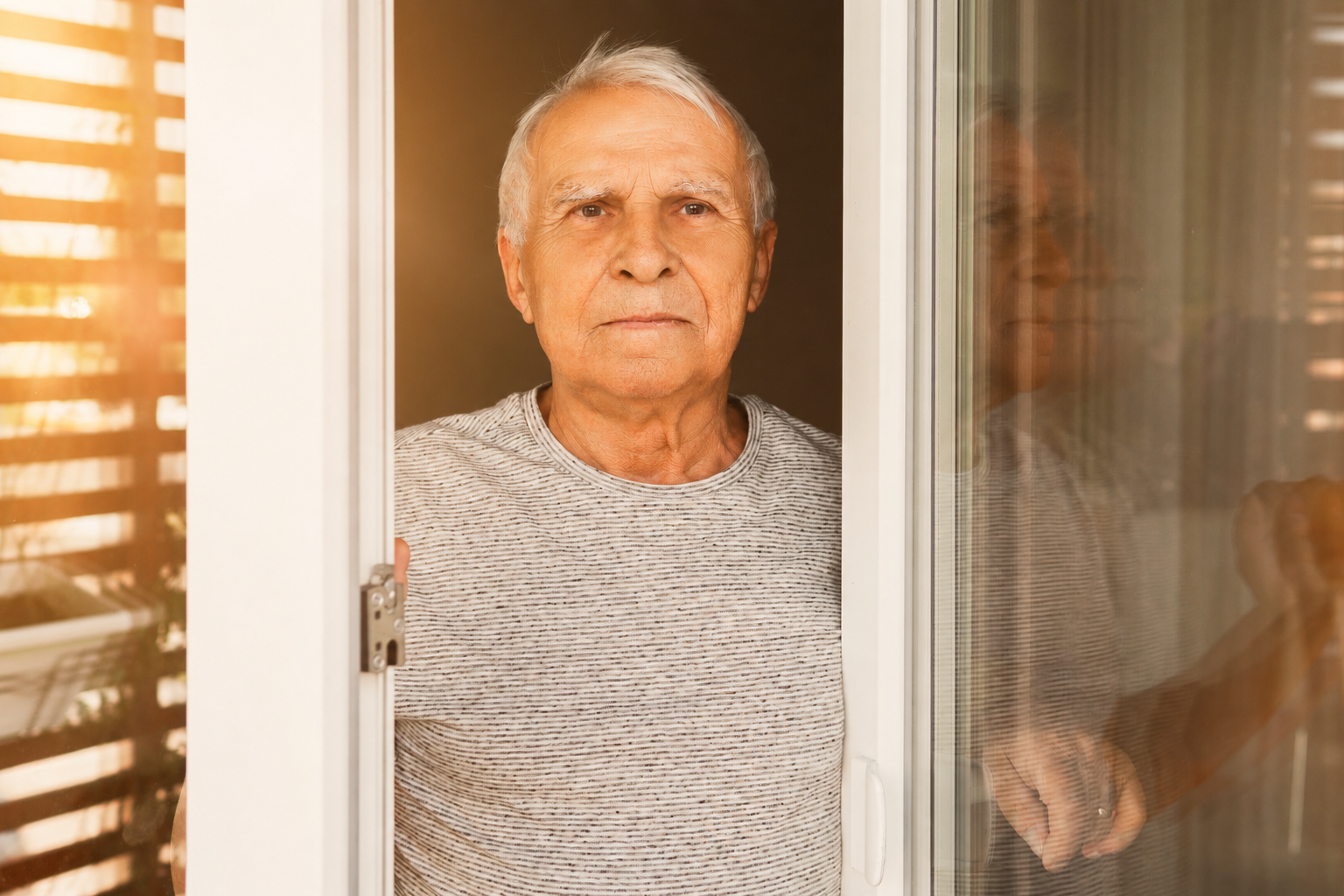
Anxiety, depression, and sleep changes in older adults
Mental health concerns in older adults are often missed because they do not always look the way people expect. Anxiety, depression, and sleep problems may show up as irritability, physical complaints, confusion, withdrawal, or changes in routine rather than obvious sadness or panic. Recognizing these quieter signs can make a major difference in getting help sooner.

We're here to listen
No referral needed, no mountain of intake forms. Just a phone call with a real person dedicated to hearing and helping you.