


.avif)
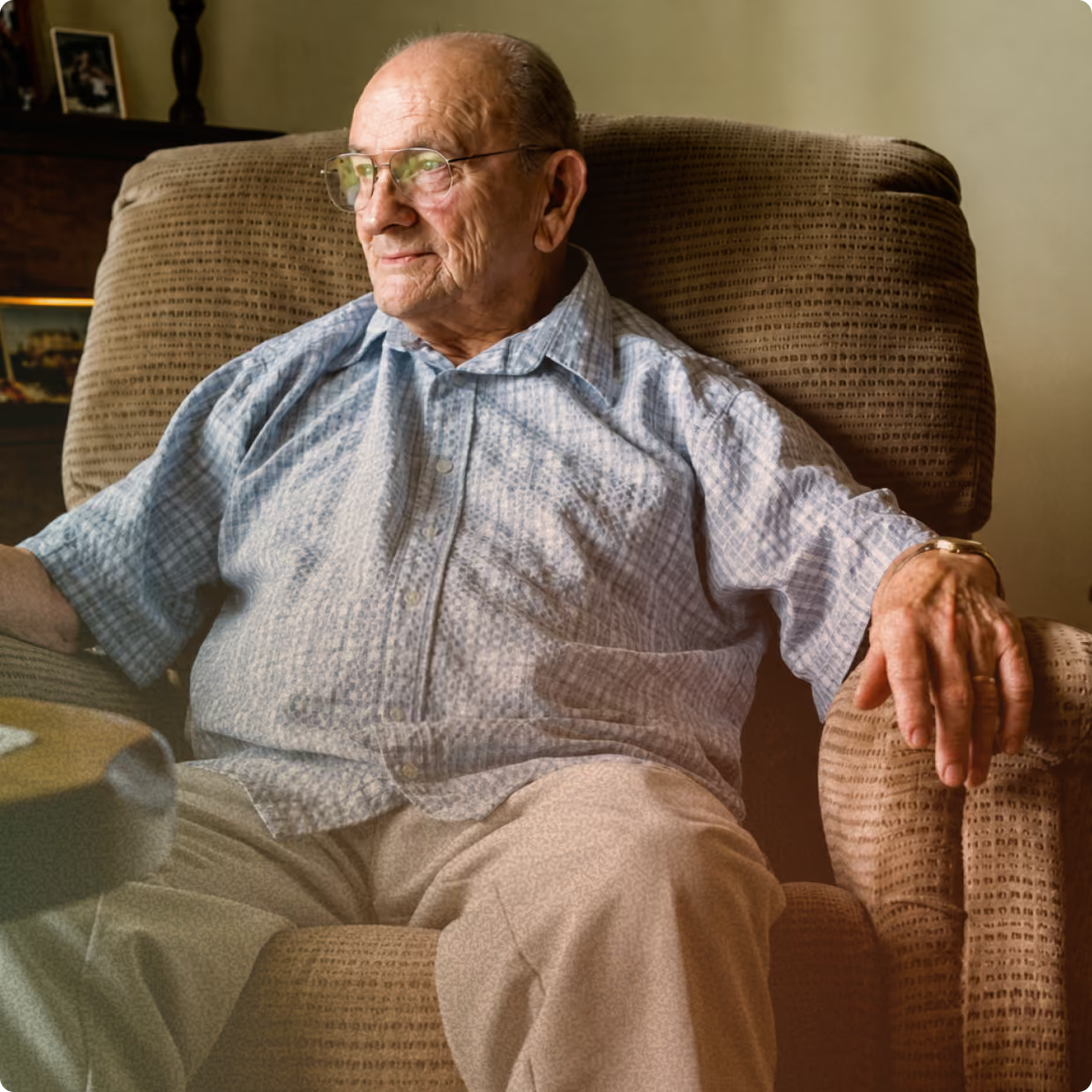
Substance use can happen later in life
As we age, alcohol and medications can affect the body more strongly. Adults and seniors may also live with pain, health problems, grief, or sleep issues, which can raise the risk of substance use disorder (SUD).
Even though SUDs in seniors are becoming more common, the signs can still be easy to miss. They may look like usual aging, depression, dementia, or side effects from medicine. Knowing what to look for can help you find the best care and start feeling better.
Signs of substance use disorder
Alcohol, pain medicine, sleep medicine, cannabis, and other substances can affect memory, balance, sleep, mood, judgment, and safety. Signs of SUD can show up in physical, mental, emotional, or behavioral ways.

Physical Signs
Sleeping too much or too little, acting aggressively, not bathing or caring for themselves like usual, unexplained bruises or injuries from falls, or impaired balance can be physical signs of SUD.

Emotional Signs
Memory issues, confusion, trouble thinking clearly, or mood changes can be signs of SUD. In more serious cases, a person may see or hear things others do not, feel very afraid, or believe things that are not true.

Behavioral Signs
You may notice pulling away from family, friends, or hobbies. A person may act unlike themselves, hide how much they are using, or take medicine in a way that was not prescribed.

These changes may be subtle at first. A good indicator that support is needed is when a loved one has also noticed that your memory or thinking is different from before. If you’re still unsure, take this health screener, or please feel free to call us.
When specialized support is needed
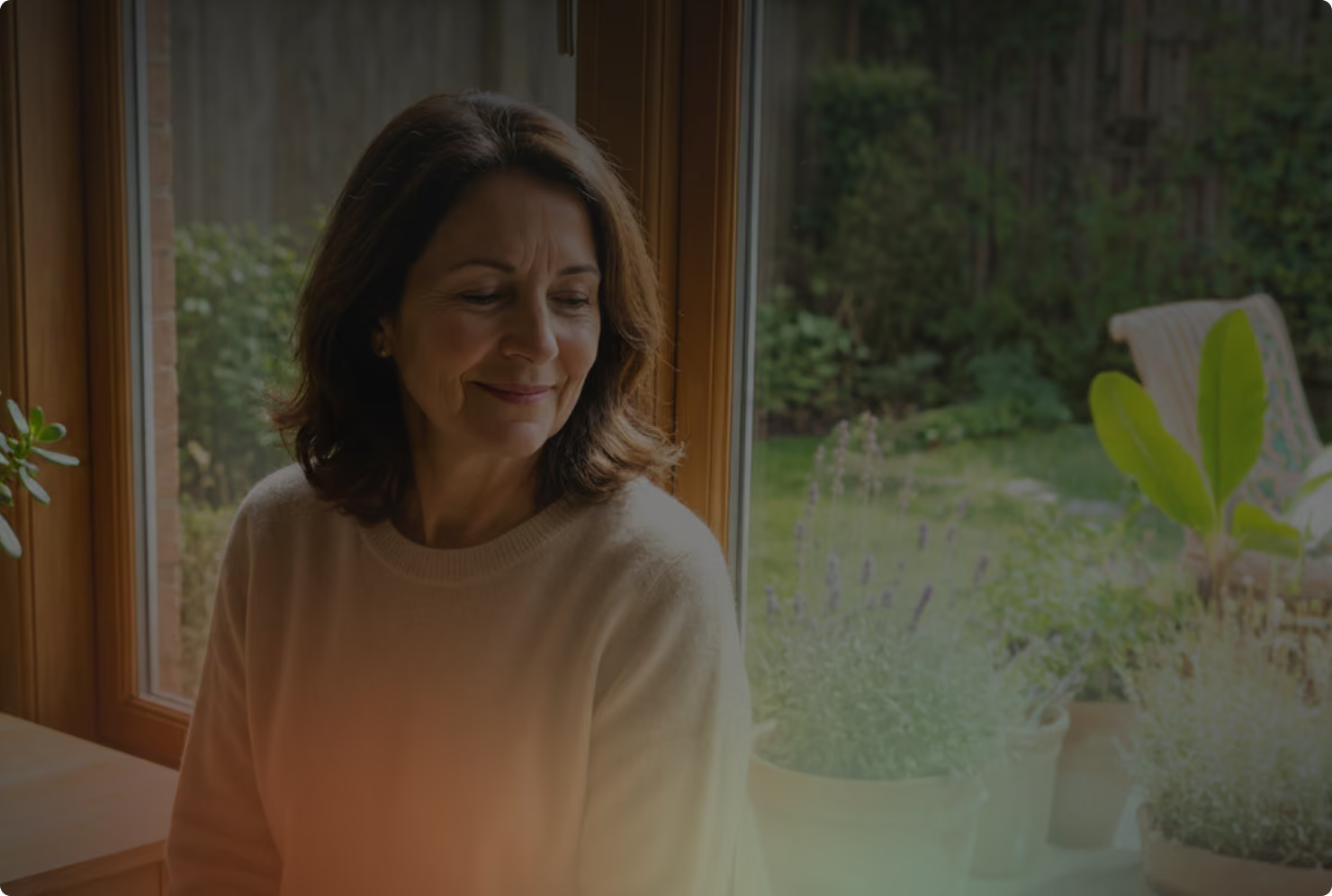
Early screening, thoughtful medication management, and treatment tailored for older adults are important to prevent, detect, and treat substance use disorder. SUD is a medical condition that deserves proper care. If you or a loved one has been experiencing these signs or other changes that are new, persistent, or affecting safety or daily life, it warrants talking with a provider and seeking treatment.

Support for SUD often includes a mix of counseling, behavioral therapy, medication when appropriate, peer or community recovery programs, and practical help that makes staying connected to care easier, including medication-assisted treatment, especially for alcohol or opioid use disorder.

For older adults, care should move carefully and include close monitoring, because the body processes substances and medications differently with age. Substance use disorder is treatable, and many people do recover with the right kind of support around them.

Sudden confusion, unexplained falls, mood or personality shifts, mixing alcohol with medications, or any mention of self-harm are serious warning signs that need immediate attention.
If you are experiencing an emergency, please dial 911, call 988 for mental health crises, or go to your nearest emergency room.

Does insurance cover help with substance use disorder?
Our services support adults whose daily lives are impacted by medical conditions or major life changes. Most people we serve in Arizona, Florida, Illinois, Indiana, New Jersey, Pennsylvania, and Texas have little to no out-of-pocket costs for our services. We always check your coverage before your first appointment, so you know what to expect and there are no surprises.


.svg)
.svg)
.svg)
.svg)

.svg)

.svg)
.svg)
.svg)

.svg)


.svg)

.png)
"Sustainable recovery from Substance Use Disorder (SUD) requires treating the whole person, not just the symptom. Using trauma-informed care and individualized treatment plans, we empower clients to heal underlying wounds, leverage community support, and build a resilient foundation for long-term sobriety."
Other resources
Want more information? Check out our related resources.



How to start the conversation: Talking to a parent or loved one about mental health or memory changes
If you’ve noticed changes in a loved one like irritability, confusion, or just acting out of character, it can be hard to know what to do or how to help. Here are some ways you can get the conversation started with someone you care for.

Substance use disorder is a medical condition, and support can help at any age
If alcohol, medications, or other substances are affecting your health, safety, relationships, or daily life, you do not have to figure it out alone. Give us a call, and our team will listen to what has been changing, talk through care options, check your coverage, and help connect you or your loved one with support that fits real life.